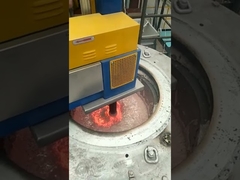
Brief: Discover the challenges and solutions for molten aluminum transfer over long distances. Learn about specialized equipment, safety protocols, and industry best practices to ensure efficient and safe operations in large foundry complexes.
Related Product Features:
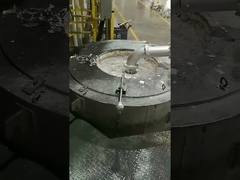
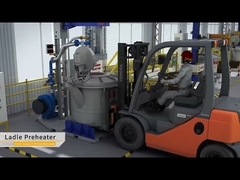
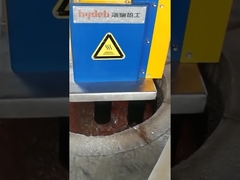
Specialized ladles are heated and insulated to maintain temperature and prevent skull formation.
Lids are refractory-lined to minimize heat loss and oxidation while acting as a spill barrier.
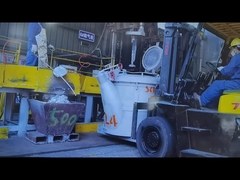
Dedicated transport vehicles feature low center of gravity and excellent brakes for safe movement.
Pre-defined routes ensure clear, marked pathways free of obstructions for safe transfer.
Safety protocols include not overfilling ladles and maintaining slow, controlled travel speeds.
Personal protective equipment (PPE) is mandatory for all personnel involved in the transfer.
Alternatives like satellite melting or launder systems are preferred to minimize risks.
Long-distance transfer is reserved for scenarios where alternatives are not viable.
Faqs:
What are the main challenges of long-distance molten aluminum transfer?
The main challenges include heat loss and skull formation, safety hazards, metal quality degradation, hydrogen pickup, and physical strain from heavy loads.
What equipment is essential for long-distance molten aluminum transfer?
Essential equipment includes specialized heated and insulated ladles, dedicated transport vehicles, and pre-defined, prepared routes.
What safety protocols should be followed during molten aluminum transfer?
Safety protocols include not overfilling ladles, securing lids, maintaining slow travel speeds, preparing for spills, wearing PPE, and ensuring clear communication.